Dementia Classes

Virtual Dementia Tour

Improve staff confidence, care delivery, and survey performance with interactive, hands-on dementia care training.

More than 55 million people live with dementia worldwide, and there are nearly 10 million new cases every year (World Health Organization 9/20/22). The physical and psychological impacts of dementia can be devastating for the person living with this disease and for their caregivers as well.

As a healthcare professional, it is our responsibility to help preserve dignity and quality of life. We can best do this by arming ourselves with current dementia training and education that 1) advances our understanding of the disease and its effect on our patients (and their family) and 2) improves communication techniques and care. Survey performance and staff retention and satisfaction are likely to improve with dementia training as well.

Receive interactive, hands-on care skills training

Our dementia classes are designed for anyone providing care for or seeking meaningful interaction with someone who has dementia. Classes are especially beneficial for those working in home health, hospice, hospitals, clinics, adult family homes, assisted living, and nursing homes as well as those working in memory care residences.

Flexible training options—available in person or on Zoom—perfect for businesses, conferences, and community groups.

Call us to customize your training. Most sessions are $100 per hour, plus travel costs.

Virtual Dementia Tour

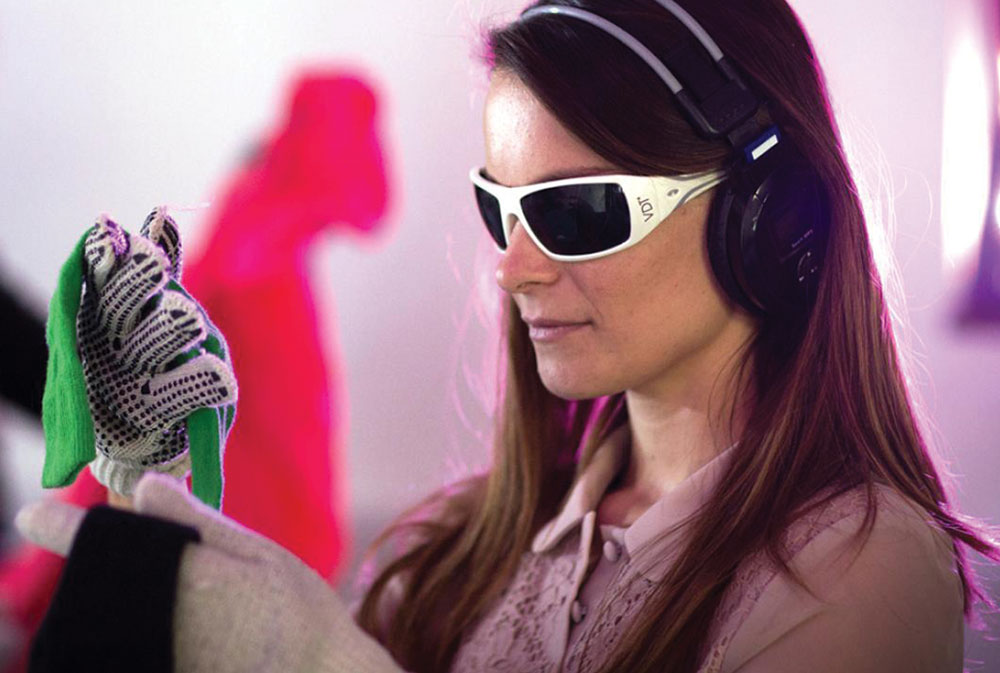
Experience the world-renowned virtual dementia tour. Gain a better understanding of the physical and mental challenges those living with dementia face through this life-changing simulation. Trained facilitators outfit you with patented devices that alter your senses and guide you as you try to complete common everyday tasks and exercises. You will leave with increased empathy critical to providing quality care for those with memory loss.

When my dad was diagnosed with dementia, I thought he would just forget names or where he was. It wasn't until I took the Virtual Dementia Tour that I realized how much this disease affected all aspects of his life or how it made him feel. My eyes and heart were opened and I became a better, more patient caregiver from this experience.

I always thought those with memory loss knew what they were doing when they had behaviors in the hospital. Now I realize that they are bored and have nothing to do, are confused, lonely, sad, possibly in pain, and cannot accurately verbalize any of this, so they physically react. It's not them, it's the disease.

The Virtual Dementia Tour® (VDT) sensitivity training program is the proprietary intellectual property of Second Wind Dreams, an international 501(c)(3) nonprofit corporation based in Roswell, Georgia. Developed by Second Wind Dreams founder, P.K. Beville, the Alzheimer's and related dementias sensitivity training program known as the Virtual Dementia Tour is a scientifically proven method of building a greater understanding of dementia through the use of patented sensory tools and instruction (U.S. No. 8,388,347). The patent relates to certain components, elements and functions of the Virtual Dementia Tour experience and only Second Wind Dreams and its authorized agents may conduct or deliver the Virtual Dementia Tour.

Types of Dementia Explained

Dementia is not a single condition; it's an umbrella term for a range of disorders that affect memory, thinking, and behavior. In this informative session, we'll break down the most common types of dementia, including Alzheimer's disease, vascular dementia, Lewy body dementia, and frontotemporal dementia. You'll learn how each type differs in symptoms, progression, and care needs, as well as the latest understanding of risk factors and treatment approaches. Whether you're a caregiver, healthcare professional, or simply looking to expand your knowledge, this presentation will give you the clarity and insight needed to better support those living with dementia.

Pro-Active Techniques for Behavioral Expressions

Behavioral expressions in dementia are often a form of communication, signaling unmet needs, discomfort, or emotional distress. This insightful presentation equips caregivers and professionals with proactive strategies to understand, anticipate, and respond effectively to these behaviors before they escalate. Learn how to identify triggers, adjust the environment, and apply compassionate techniques that promote calm, dignity, and connection. By focusing on prevention rather than reaction, you'll foster a safer, more supportive experience for those in your care.

Making Memories in Memory Loss

Even in the face of memory loss, moments of joy, connection, and meaning are still possible. This uplifting presentation explores creative ways to engage individuals living with dementia through activities, conversations, and sensory experiences that spark recognition and foster emotional connection. You'll learn how to create moments that matter — whether it's through music, storytelling, photos, or simple shared experiences — and discover how these interactions can enhance quality of life for both the person and their loved ones.

Six Secrets to Connecting with Memory Loss

Meaningful connection is possible at every stage of memory loss — you just need the right approach. In this interactive presentation, you'll discover six powerful strategies to break through barriers, spark engagement, and create moments of genuine understanding. Learn how to adapt communication, use body language, and tap into preserved abilities to strengthen relationships and reduce frustration. Whether you're a family member, friend, or professional caregiver, these simple "secrets" can transform everyday interactions into moments that truly matter.

CARE U by UW-Madison's School of Nursing

CARE U (CARE University) is an evidence-based workshop developed by the UW–Madison School of Nursing's Center for Aging Research and Education, launched in 2014 to strengthen the skills and knowledge of certified nursing assistants, personal care workers, community health workers, and other direct care staff who work with older adults. These worshops equipping attendees with practical strategies for delivering high-quality, person-centered care.

The Healthcare Workforce Training Institute is a certified training provider of the CARE U workshops, which can be offered individually or with any and all topics combined. The Care U workshops address the seven key areas of:

  • Putting the Person in Person-Centered Care: Person-centered care means focusing on the person, not just the tasks—honoring their values, preferences, and routines. It improves life for older adults, families, and care workers, and is especially important for those living with dementia. Learn practical ways to bring person-centered care into your daily work and life—while sharing your own experiences and strategies.
  • Basics of Dementia Care: Dementia affects millions worldwide and is the leading cause of death without a cure. As our population ages, more people are living with dementia in adult day programs, residential care, and nursing homes. This presentation will help you understand how dementia changes thinking and behavior, recognize common symptoms, and respond to challenging situations with skill and compassion.
  • Aging and Vision: Vision changes are common with age—some are correctable, while others can permanently affect daily life. By age 85, one in five people has permanent vision loss, yet many are unaware of common eye diseases. Discover how vision changes impact daily activities and how to adapt care so older adults can stay as independent as possible—while also protecting your eye health.
  • Maintaining Older Adult Mobility: Staying mobile is key to healthy aging and independence. Still, mobility loss is common in older adults and can lead to decreased quality of life, higher risk of nursing home admission, and early death. Learn what threatens mobility, how to prevent decline, and ways you can support older adults in staying active and independent every day.
  • Nutrition Strategies for Older Adults: Nutritional needs change with age. Older adults typically need more protein, more fluids, and extra support to avoid malnutrition. Malnutrition is common and can lead to weakness, falls, more extended hospital stays, and higher health risks. Find out ways to support healthy eating, hydration, and food safety, and how to work with health care teams to keep older adults strong and well-nourished.
  • Understanding Pain: Pain is not a regular part of aging, but is common in older adults. If left untreated, pain can affect comfort, mobility, mood, sleep, and quality of life. Become a trained pain investigator. Learn how to spot signs, ask the right questions, and share what you find — while exploring the physical, emotional, social, and cultural factors that influence pain and its treatment.
  • Emergency Preparedness: Emergencies can happen anytime—from severe weather to public health crises. Direct care workers play a vital role in protecting older adults during these events. Learn how to prepare yourself, your family, and those you care for, understand emergency response systems, and find reliable information before, during, and after a disaster.
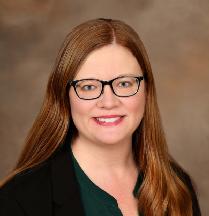
Paula Gibson
Director & Certified Virtual Dementia Tour Trainer

Paula Gibson, CDP, CVDTT, CCSP

View Bio Contact Us for More Information

Looking for a different topic?

We may be able to offer additional dementia education in your community — Amery, Augusta, Barron, Black River Falls, Bloomer, Chetek, Chippewa Falls, Cumberland, Durand, Eau Claire, Hayward, Ladysmith, Menomonie, Mondovi, Neillsville, Osseo, Rice Lake, Turtle Lake, Spooner, Superior, and Whitehall to name a few.


Contact us for more information